


Functional Materials and Process Systems for Technological Transformation

FPT – Functional Materials and Process Systems for Technological Transformation

The FSP links research on materials, active substances and functional materials with production and bioprocesses and innovative process systems. Experiment, simulation and analytics create solutions for people, society and health, advancing technological transformation and sustainable development.

Keywords

Functional Materials | Materials | Process Engineering

Simulation | Active Substances | Bioprocess Engineering
Our Research Areas

Functional Materials and Materials Science

We develop and functionalize materials – from macroscopic materials to nanoscale systems – with a focus on structure, properties and reliability.

Learn more

Process Systems and Production

We understand, model and optimize chemical, physical and process-engineering processes – for efficient, safe and sustainable production systems.

Learn more

Active Substances and Bioprocesses

We develop active substances, investigate biological systems, and design bioprocesses – from molecular effects to cell cultures and biotechnological applications.

Learn more

Connecting Methods – Experiment. Simulation. Analytics.

Experimental research, numerical simulation and analytical methods form the common methodological basis of FPT. This enables new insights into materials, processes and biological systems and their potential for innovative technologies.

Our Researchers

Selected Projects

KristallPETeco

Development of an energy-efficient pellet crystallizer with innovative heat management and automated process control for PET recycling systems

Learn more

Shifted Excitation Raman

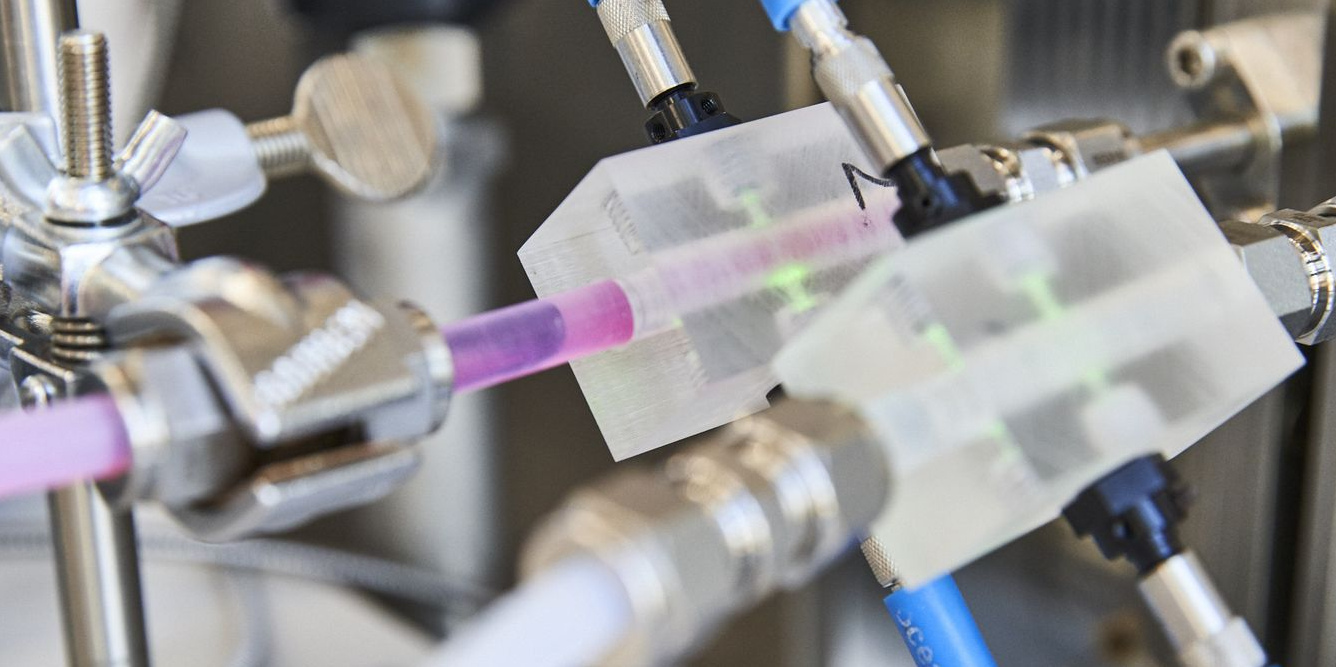
Interference-Resistant Raman Spectrometer with Application-Adapted Data Analysis for In Situ/Operando Diagnostics in Chemical Reactors and Reactive Flows

Learn more

Developing Medicines Sustainably

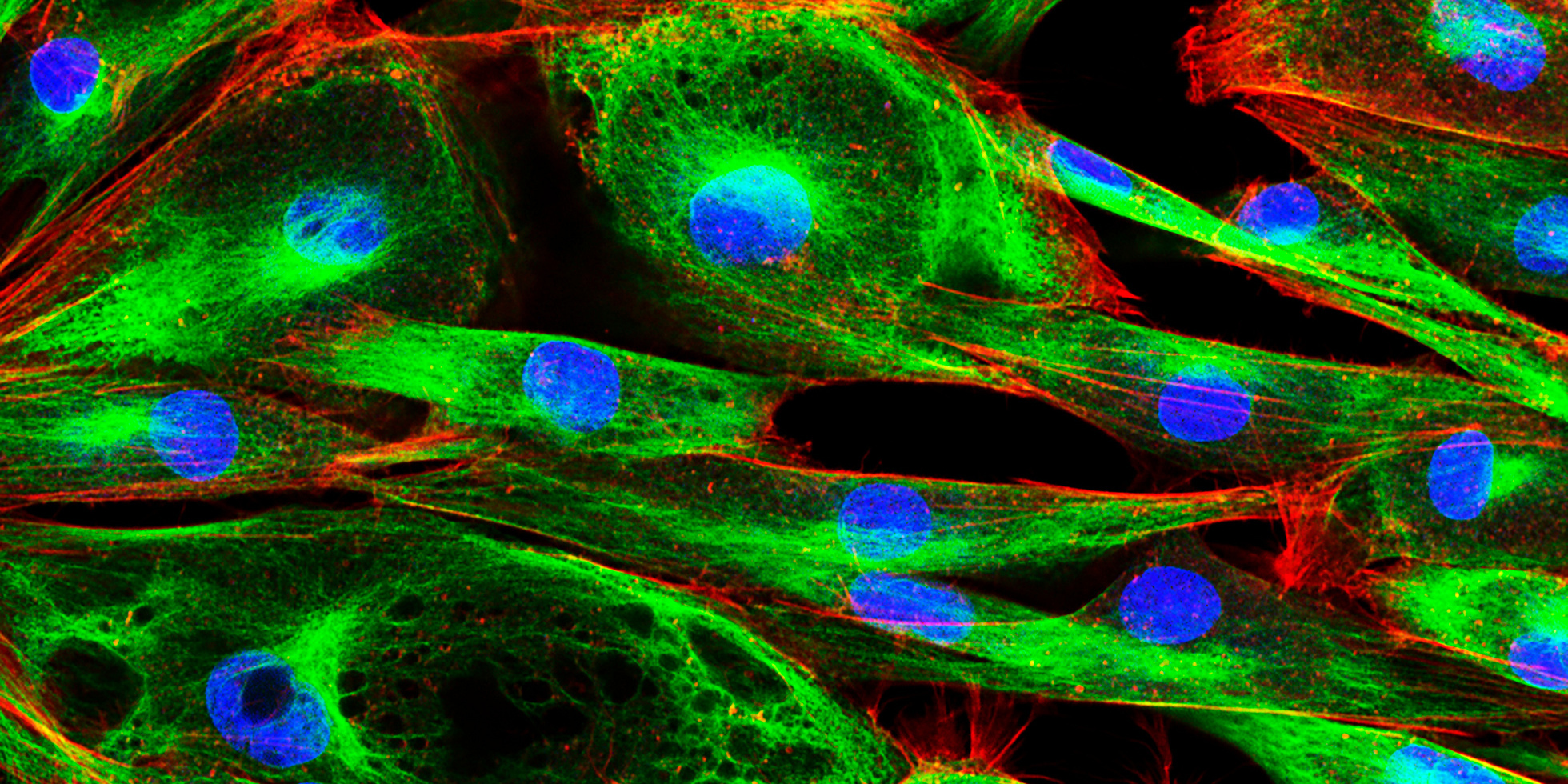
Time-Resolved High-Throughput Imaging of Membraneless Organelles to Organ Models – More Sustainable Strategies for the Discovery, Development and Manufacturing of New Medicines

Learn more

Research infrastructure

SEM EDX

Medorne equipment for structural and material characterisation

GOM Aramis

High-resolution optical 3D measurement system

Facilities and laboratories

Pilot plants for reaction, process and production technology

High Performance Computing

Numerical models and powerful computational methods

Latest News

USPEX project proves a hit at the AiF SME Day in Berlin [DE]


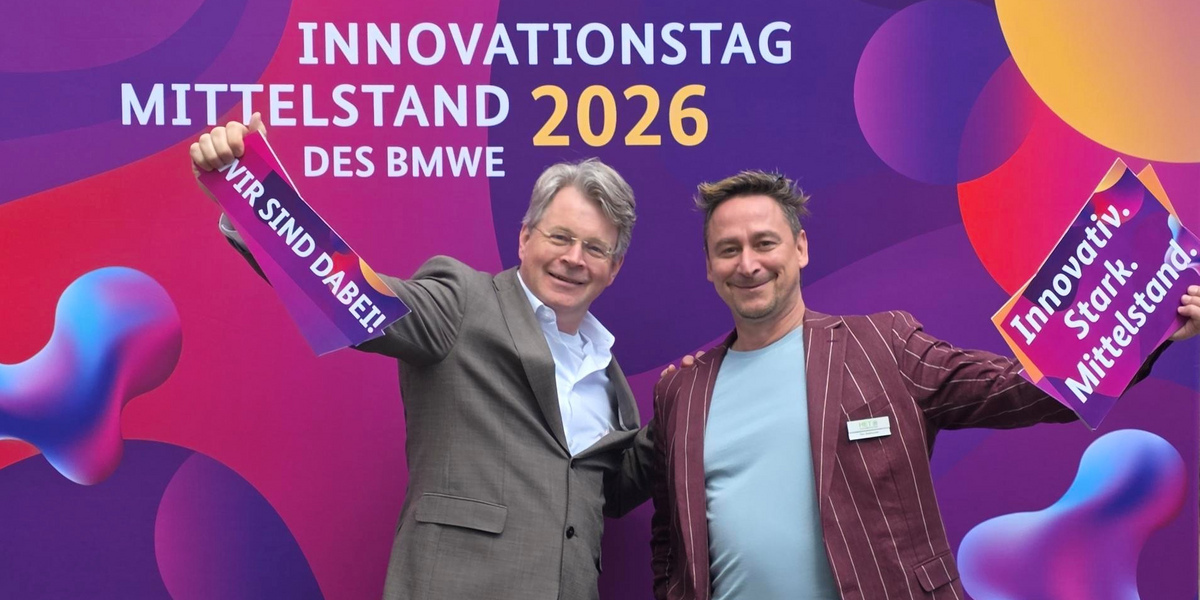
The “Under Sleeper Pads (USPEX)” research project has been a hit at the AiF SME Day in Berlin. The project attracted considerable interest from participants and was praised by the Federal Ministry as an outstanding flagship project. As part of the project, the Department of Mechanical Engineering and Plastics Technology is working with HET Elastomertechnik GmbH to develop innovative rubber pads for use beneath concrete sleepers in railway track construction. What makes them special is that these so-called Under Sleeper Pads are being produced sustainably and cost-effectively from end-of-life tyres for the first time.


Read more at fbmk.h-da.de

Details

impact: The power of the particle


Medicine is pinning its hopes on nanoparticles. These are used in cancer treatment, as MRI contrast agents and in vaccine development. But what exactly do these tiny particles do inside the body? In a project funded by the German Research Foundation (DFG), researchers at h_da are exploring this very question by developing tiny model kidneys and dispatching nanoparticles of various shapes – sometimes round, sometimes star-shaped, sometimes spiky – through them. The aim is to gain a better understanding of how nanoparticles work in the body and to minimise side effects. (Text: Christina Janssen, Translation: Sharon Oranski, Photography: Samira Schulz)


Read more at impact.h-da.de

Details

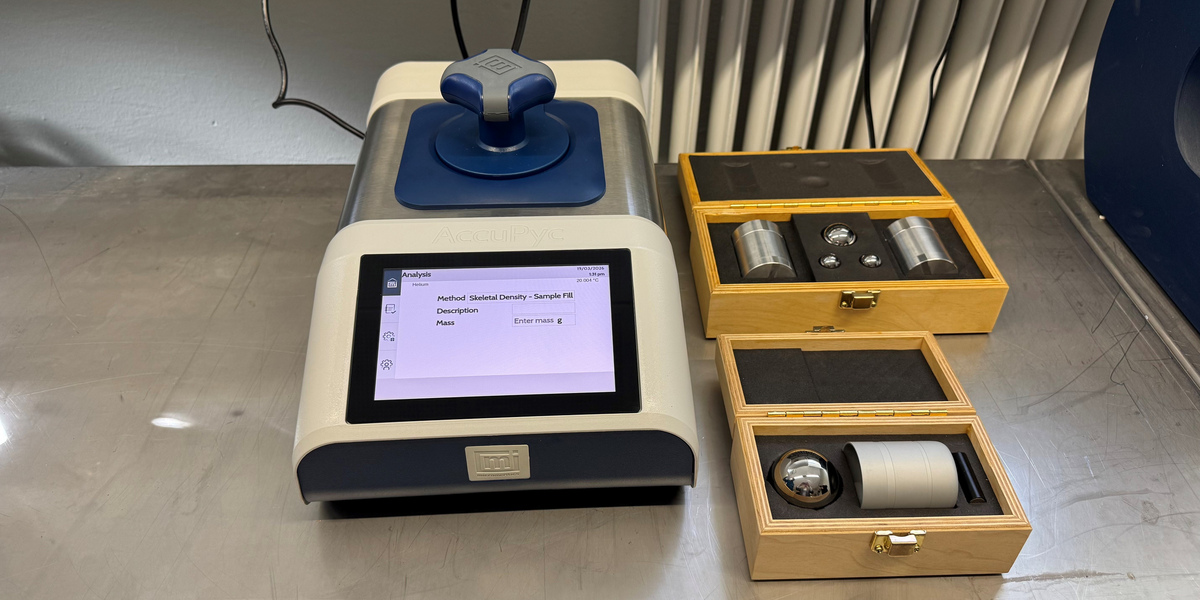
Helium pycnometer in operation at the research centre


A new helium pycnometer was commissioned at the Research Centre for Materials and Process Engineering (fz mpt) on Thursday 19 March 2026. The instrument was jointly requested by the Building Materials Laboratory (Department of Civil and Environmental Engineering) and the Plastics Technology Group (Department of Mechanical and Plastics Engineering).

Details